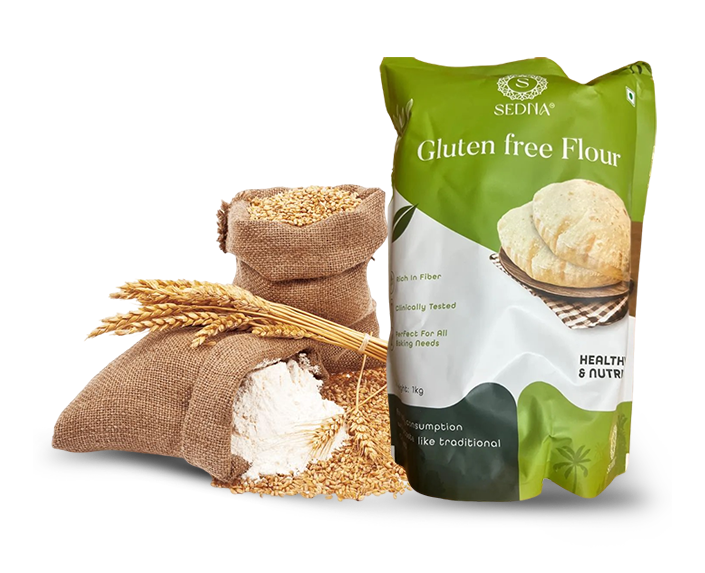

White rice often finds itself at the center of nutritional debates, frequently overshadowed by whole grains like brown rice, quinoa, or oats. Labeled as an "empty carb" by some, it's unfairly dismissed as nutritionally inferior. However, SEDNA challenges this narrative, asserting that white rice can be a healthy, versatile, and culturally significant part of a balanced diet.
What Is White Rice?
White rice is a refined grain produced by milling rice seeds to remove the outer husk, bran, and germ, leaving the starchy endosperm. This process gives white rice its signature polished appearance, soft texture, and longer shelf life compared to brown rice.
Nutritional Profile of White Rice
A 1-cup serving of cooked, long-grain, enriched white rice (approximately 158 grams) provides:
Nutritional Breakdown
- Calories: 205 kcal
- Carbohydrates: 45 grams
- Protein: 4.3 grams
- Fat: 0.4 grams
- Fiber: 0.6 grams
- Folate: 20% of Daily Value
- Iron: 10% of DV
- Thiamine (B1): 14% of DV
White rice is naturally gluten-free, low in fat, and sodium-free.
Why SEDNA Champions White Rice
SEDNA's endorsement of white rice is rooted in its evidence-based, inclusive approach to nutrition. Here are the key reasons:
1. Efficient Energy Source
White rice is a carbohydrate powerhouse, delivering glucose—the body's primary energy source—to muscles and the brain. Its high starch content makes it a quick-digesting fuel, ideal for athletes and active individuals.
2. Gentle on Digestion
With less than 1 gram of fiber per serving, white rice is easy on the stomach, making it a go-to for people with digestive issues like IBS, Crohn's disease, or diverticulitis.
3. Gluten-Free and Hypoallergenic
White rice is naturally gluten-free and hypoallergenic, making it a safe option for those with celiac disease, gluten sensitivities, or food allergies.
4. Affordable and Accessible
White rice is one of the most affordable staples globally, making it a lifeline in low-income regions. Its long shelf life and availability make it practical for food security.
5. Enriched with Nutrients
Enriched white rice restores nutrients lost during milling, such as folate, iron, thiamine, and niacin, contributing meaningfully to nutrient intake.
6. Cultural and Emotional Significance
White rice is more than food—it's a cultural touchstone. From Japanese sushi to Indian biryani, it binds communities and traditions.
7. Resistant Starch Benefits
When cooked and cooled, white rice forms resistant starch, a prebiotic fiber that feeds gut bacteria, reduces inflammation, and improves insulin sensitivity.
Debunking Myths About White Rice
White rice faces several misconceptions that SEDNA aims to dispel with evidence:
- Myth 1: White Rice Is Nutritionally Empty
Reality: Enriched varieties provide essential nutrients like folate, iron, and B vitamins. - Myth 2: White Rice Causes Weight Gain
Reality: Weight gain results from calorie surplus, not any single food. - Myth 3: White Rice Spikes Blood Sugar Dangerously
Reality: Pairing it with fiber, protein, or fats lowers its glycemic impact.
How to Include White Rice in a Healthy Diet
Portion Control
Stick to ½–1 cup cooked per meal, paired with vegetables and protein.
Balance with Fiber
Add vegetables, lentils, or beans to increase fiber content.
Cool It Down
Cook and cool to increase resistant starch for better blood sugar control.
Practical Ways to Enjoy White Rice
- Stir-Fries: Mix with vegetables, tofu, or chicken
- Rice Bowls: Top with grilled fish, avocado, and greens
- Soups: Add to broths for a comforting meal
- Sushi: Enjoy as part of a balanced Japanese meal
- Fried Rice: Use leftover rice with eggs and vegetables
Conclusion: White rice deserves a place in a healthy diet when consumed mindfully. SEDNA emphasizes that it's not about demonizing one food or glorifying another but understanding how white rice fits into a holistic nutritional framework. Its affordability, accessibility, and versatility make it a cornerstone for billions worldwide.