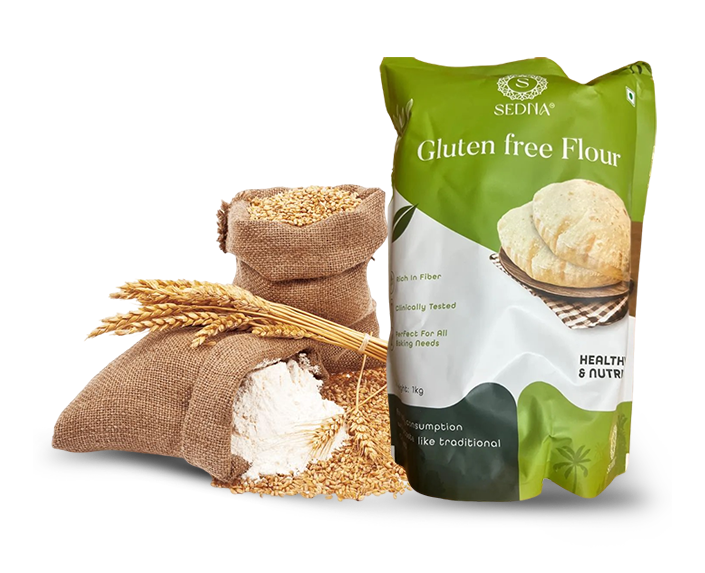

Switching to gluten-free flour doesn't mean compromising on flavor, texture, or the joy of your favorite foods. With the right approach, gluten-free cooking and baking can be just as delicious—if not more so—than traditional wheat-based recipes. The key lies in understanding how gluten-free flours work, particularly their density, absorbency, and flavor profiles, to create dishes that are satisfying, nutritious, and delightful.
This guide will walk you through the essentials of gluten-free flour, from why you might consider going gluten-free to how to balance density for perfect results. You'll discover popular gluten-free flours, practical tips for cooking and baking, delicious recipes, and everyday strategies to make gluten-free living seamless and enjoyable. Whether you're managing celiac disease, gluten sensitivity, or simply exploring healthier alternatives, this guide will empower you to create meals that don't feel like a sacrifice.
Why Go Gluten-Free?

Understanding Gluten
Gluten is a protein found in wheat, barley, rye, and their derivatives. It gives dough its elasticity, contributing to the chewy texture of bread and the structure of baked goods. However, for many, gluten can cause health issues ranging from mild discomfort to severe medical conditions. Celiac disease, an autoimmune disorder affecting about 1% of the population, requires complete gluten avoidance to prevent intestinal damage. Non-celiac gluten sensitivity affects a larger group, causing symptoms like bloating, fatigue, brain fog, and digestive distress. Even those without diagnosed conditions may choose gluten-free diets for perceived health benefits or to explore nutrient-dense alternatives.
Benefits of Gluten-Free Flours
Switching to gluten-free flours offers several advantages:
- Improved Digestion: Many people report feeling less bloated and more energized after eliminating gluten, as gluten-free flours are often easier on the digestive system.
- Nutrient-Rich Options: Flours like almond, chickpea, and millet are packed with protein, fiber, healthy fats, and essential minerals like magnesium and iron, offering more nutritional value than refined wheat flour.
- Versatility in Cooking: Gluten-free flours can be used in a wide range of dishes, from savory flatbreads and crispy coatings to sweet cakes and cookies, allowing you to maintain variety in your diet.
- Dietary Inclusivity: Gluten-free recipes cater to those with dietary restrictions, making meals accessible to friends and family with gluten-related issues.
The challenge with gluten-free cooking lies in replicating the texture and structure that gluten provides. Without careful consideration, baked goods can turn out dry, crumbly, or overly dense. This is where understanding the density of gluten-free flours becomes critical.
Understanding Density in Gluten-Free Flours

Flour Density Levels
Density in flours refers to their weight, texture, and liquid absorbency, which directly impact the outcome of your recipes. Wheat flour has a balanced density that provides structure and elasticity, but gluten-free flours vary widely in these properties. Using a single gluten-free flour as a direct substitute for wheat flour often leads to disappointing results—cakes may become gummy, breads overly heavy, or flatbreads brittle.
Categories of Gluten-Free Flours by Density
To achieve the desired texture, it's essential to categorize gluten-free flours by their density:
Light-Density Flours
- Rice Flour: Fine and neutral, ideal for delicate textures in rotis, noodles, or crispy coatings.
- Tapioca Flour: Starchy and lightweight, adds chewiness to breads and softness to baked goods.
- Corn Flour: Smooth and light, perfect for tortillas or as a coating for fried foods.
Medium-Density Flours
- Oat Flour: Slightly sweet and soft, versatile for cookies, pancakes, and porridges.
- Sorghum Flour: Nutty and hearty, a staple in gluten-free breads and Indian rotis.
- Millet Flour: Nutritious and mild, excellent for flatbreads and savory dishes.
High-Density Flours
- Almond Flour: Rich and nutty, high in protein and fat, ideal for moist cakes and cookies.
- Coconut Flour: Highly absorbent, best for pancakes and muffins but requires extra liquid.
- Chickpea (Besan) Flour: Earthy and dense, great for savory dishes like pakoras and flatbreads.
The Art of Blending Flours
The key to successful gluten-free cooking is blending flours of different densities to mimic the structure of wheat flour. For example:
- Combining almond flour (high density) with rice flour (low density) creates fluffy pancakes with a tender crumb.
- Mixing chickpea flour (high density) with tapioca flour (low density) yields crispy, well-structured pakoras.
- Pairing coconut flour (high density) with oat flour (medium density) ensures moist, cohesive muffins.
By blending flours, you balance density, absorbency, and flavor, achieving textures that are neither too heavy nor too crumbly.
Popular Gluten-Free Flours: Properties and Uses
Let's dive deeper into the most commonly used gluten-free flours, their characteristics, and how to incorporate them into your cooking.
1. Almond Flour
- Flavor: Rich, nutty, and slightly sweet.
- Nutritional Profile: High in protein, healthy fats, and vitamin E, low in carbs.
- Best Uses: Cakes, cookies, brownies, and pie crusts. Its high fat content adds moisture to baked goods.
- Density: High. Use in small amounts and pair with lighter flours like rice or oat to avoid heaviness.
- Tip: Store almond flour in the fridge to prevent rancidity due to its high oil content.
2. Coconut Flour
- Flavor: Mildly sweet with a subtle coconut undertone.
- Nutritional Profile: High in fiber, low in carbs, but highly absorbent.
- Best Uses: Pancakes, muffins, and quick breads. It works well in recipes requiring a soft, cakey texture.
- Density: High. Requires 2–3 times more liquid than other flours and should be blended with lighter options like tapioca or rice flour.
- Tip: Add extra eggs or liquid to counteract its absorbency.
3. Rice Flour
- Flavor: Neutral, making it a versatile base for both sweet and savory dishes.
- Nutritional Profile: Low in protein but light and easy to digest.
- Best Uses: Rotis, noodles, tempura batters, and as a coating for frying.
- Density: Low. Combines well with denser flours like almond or chickpea for structure.
- Tip: Use brown rice flour for added fiber and nutrients.
4. Chickpea (Besan) Flour
- Flavor: Earthy and slightly savory, ideal for bold dishes.
- Nutritional Profile: High in protein, fiber, and iron, making it a nutrient-dense choice.
- Best Uses: Pakoras, flatbreads, socca, or as a thickener for soups and gravies.
- Density: High. Balance with lighter flours like rice or tapioca for better texture.
- Tip: Toast chickpea flour lightly to enhance its flavor before using in savory recipes.
5. Oat Flour
- Flavor: Soft, slightly sweet, and nutty.
- Nutritional Profile: Rich in fiber and beta-glucans, which support heart health.
- Best Uses: Cookies, pancakes, smoothies, and porridges. It's a great all-purpose flour.
- Density: Medium. Works well alone or blended with other flours.
- Tip: Ensure it's certified gluten-free, as oats can be cross-contaminated with gluten during processing.
6. Sorghum & Millet Flour
- Flavor: Sorghum is nutty and slightly sweet; millet is mild and wholesome.
- Nutritional Profile: Both are high in fiber, protein, and antioxidants, traditional staples in many cultures.
- Best Uses: Rotis, flatbreads, and gluten-free breads. Excellent for hearty, savory dishes.
- Density: Medium. Combines well with tapioca or rice flour for softer textures.
- Tip: Use warm water when making dough to improve elasticity.
How to Use Gluten-Free Flour without Losing Taste or Texture
Switching to gluten-free flour requires more than a one-to-one substitution for wheat flour. Here are five essential strategies to ensure your dishes are flavorful, well-textured, and satisfying.
1. Blend Flours Strategically
As mentioned, blending flours of different densities is crucial. Here are more examples:
- Fluffy Pancakes: Combine 60% rice flour with 40% almond flour for a light, tender texture.
- Crispy Pakoras: Mix 70% chickpea flour with 30% rice flour for crunch without heaviness.
- Moist Muffins: Use 50% oat flour and 50% coconut flour, adjusting liquids to account for coconut flour's absorbency.
- Chewy Cookies: Blend 60% almond flour with 40% tapioca flour for a soft, chewy bite.
Experiment with ratios to find the perfect balance for your recipes.
2. Incorporate Binding Agents
Gluten provides elasticity and structure, so gluten-free recipes need binders to hold ingredients together. Common options include:
- Eggs: Ideal for cakes, breads, and cookies, adding moisture and binding.
- Flaxseed or Chia Gel: Mix 1 tablespoon of flaxseed or chia seeds with 3 tablespoons of water to replace one egg (vegan-friendly).
- Psyllium Husk: Adds elasticity to breads and rotis, mimicking gluten's stretchiness.
- Xanthan Gum: A small amount (¼–½ teaspoon per cup of flour) improves structure in baked goods.
Start with small amounts of binders and adjust based on the recipe's needs.
3. Adjust Liquids Carefully
Gluten-free flours vary in absorbency. Coconut flour, for instance, soaks up significantly more liquid than rice flour. To avoid dry or crumbly results:
- Increase liquids (water, milk, or oil) when using high-density flours like coconut or almond.
- Add liquids gradually and check the batter or dough consistency.
- For example, a coconut flour pancake recipe may need ¾ cup of milk where rice flour needs only ½ cup.
4. Enhance Flavors Naturally
Gluten-free flours have distinct flavors that can be elevated with spices, herbs, and sweeteners:
- Sweet Dishes: Add cinnamon, nutmeg, or cardamom to almond or oat flour recipes for warmth.
- Savory Dishes: Incorporate garlic powder, cumin, or fresh herbs into chickpea or sorghum flour recipes.
- Neutral Base: Use rice flour as a blank canvas, enhancing it with vanilla for sweets or paprika for savory dishes.
Experiment with flavor pairings to make your dishes stand out.
5. Transition Gradually
If you're new to gluten-free cooking, start by replacing 25–30% of wheat flour with a gluten-free blend in your favorite recipes. Gradually increase the proportion while adjusting binders and liquids. This approach helps you understand how gluten-free flours behave without overwhelming your recipes.
Delicious Gluten-Free Recipes to Try
Here are five detailed gluten-free recipes showcasing the versatility of these flours. Each recipe balances density and flavor for optimal results.
1. Fluffy Gluten-Free Pancakes
Ingredients (Serves 4):
- ¾ cup rice flour
- ½ cup almond flour
- 2 eggs
- ¾ cup milk (or plant-based milk)
- 2 tbsp honey
- 1 tsp baking powder
- 1 tsp vanilla extract
- Pinch of salt
Instructions:
- Whisk eggs, milk, honey, and vanilla in a bowl.
- Combine rice flour, almond flour, baking powder, and salt in another bowl.
- Mix wet and dry ingredients until smooth. Let the batter rest for 5 minutes.
- Heat a non-stick skillet over medium heat. Pour ¼ cup batter per pancake.
- Cook for 2–3 minutes per side until golden. Serve with maple syrup and berries.
Why It Works: The rice flour keeps the pancakes light, while almond flour adds moisture and a subtle nutty flavor.
2. Crispy Chickpea Pakoras
Ingredients (Serves 4):
- 1 cup chickpea flour
- ¼ cup rice flour
- 1 onion, thinly sliced
- 1 tsp cumin seeds
- ½ tsp chili powder
- ½ tsp salt
- ½ cup water
- Oil for frying
Instructions:
- Mix chickpea flour, rice flour, cumin, chili powder, and salt.
- Gradually add water to form a thick batter. Stir in onions.
- Heat oil in a deep pan. Drop spoonfuls of batter into hot oil.
- Fry until golden and crispy, about 3–4 minutes. Drain on paper towels.
- Serve with chutney or yogurt dip.
Why It Works: Chickpea flour provides a savory depth, while rice flour ensures crispiness.
3. Gluten-Free Sandwich Bread
Ingredients (1 loaf):
- 1 cup rice flour
- ½ cup tapioca starch
- ½ cup sorghum flour
- 1 tbsp psyllium husk
- 1 tbsp sugar
- 1 tsp yeast
- 1 tsp salt
- 1 cup warm water
- 2 eggs
- 2 tbsp olive oil
Instructions:
- Mix yeast, sugar, and warm water. Let sit for 5 minutes until foamy.
- Combine flours, tapioca starch, psyllium husk, and salt in a bowl.
- Add eggs, oil, and yeast mixture. Mix until a dough forms.
- Place in a greased loaf pan, cover, and let rise for 1 hour.
- Bake at 375°F (190°C) for 35–40 minutes. Cool before slicing.
Why It Works: The blend of rice, sorghum, and tapioca creates a soft, structured loaf, with psyllium husk adding elasticity.
4. Chewy Almond Flour Cookies
Ingredients (Makes 12):
- 1 cup almond flour
- ½ cup oat flour
- ¼ cup chocolate chips
- ¼ cup maple syrup
- 2 tbsp melted coconut oil
- 1 tsp vanilla extract
- ½ tsp baking soda
- Pinch of salt
Instructions:
- Preheat oven to 350°F (175°C). Line a baking sheet with parchment paper.
- Mix almond flour, oat flour, baking soda, and salt.
- Stir in maple syrup, coconut oil, and vanilla until a dough forms. Fold in chocolate chips.
- Scoop tablespoon-sized portions onto the baking sheet. Flatten slightly.
- Bake for 10–12 minutes until golden. Cool before serving.
Why It Works: Almond flour adds richness, while oat flour ensures a chewy texture.
5. Soft Sorghum Rotis
Ingredients (Makes 6):
- 1 cup sorghum flour
- ½ cup warm water
- 1 tsp oil
- Pinch of salt
Instructions:
- Mix sorghum flour and salt. Gradually add warm water to form a soft dough.
- Knead with oil for 2 minutes. Divide into 6 balls.
- Roll each ball into a thin circle using a rolling pin (dust with sorghum flour to prevent sticking).
- Cook on a hot skillet for 1–2 minutes per side until lightly browned.
- Serve with curry or yogurt.
Why It Works: Sorghum's medium density and warm water create pliable, soft rotis.
The Role of Density in Taste and Texture
The mouthfeel of food is just as important as its taste, and density plays a pivotal role in achieving the right texture. Here's how density affects common gluten-free dishes:
- Too Dense: Using only high-density flours like almond or coconut results in heavy breads, gummy cakes, or dense muffins. For example, an almond flour-only cake may feel like a brick.
- Too Light: Relying solely on low-density flours like rice or tapioca can lead to crumbly muffins or flat rotis that lack structure.
- Balanced Density: Combining flours strategically—such as almond with rice for cakes or chickpea with tapioca for flatbreads—creates a satisfying texture that's soft, chewy, or crispy as needed.
Examples of Density Balance
- Almond + Oat Flour Cake: Almond flour's richness is lightened by oat flour, resulting in a fluffy, moist cake.
- Coconut + Tapioca Flour Bread: Tapioca's lightness offsets coconut flour's absorbency, creating a soft, cohesive loaf.
- Chickpea + Rice Flour Pakoras: Rice flour reduces chickpea flour's heaviness, ensuring a crispy exterior.
By understanding and balancing density, you can achieve professional-quality results in your gluten-free cooking.
Everyday Tips for Gluten-Free Living
Incorporating gluten-free flours into your daily routine is easier than you think. Here are practical tips to make the transition seamless:
- Breakfast: Use oat flour in smoothies or porridges for a nutrient-packed start. Add cinnamon or fruit for flavor.
- Snacks: Replace wheat-based breadcrumbs with rice flour for crispy fried snacks or coatings.
- Soups and Gravies: Stir in chickpea flour as a thickener for creamy, gluten-free soups.
- Baking: Incorporate almond flour into cakes and cookies for added protein and a rich flavor.
- Meals: Make millet or sorghum rotis to pair with curries, offering a wholesome, gluten-free alternative to wheat chapatis.
- Storage: Store flours in airtight containers in a cool, dry place (or refrigerate almond and coconut flour) to maintain freshness.
- Experimentation: Try new flours in small batches to discover your favorite combinations without wasting ingredients.
- Label Reading: Always check for "certified gluten-free" labels, especially for oats, to avoid cross-contamination.
Overcoming Common Gluten-Free Challenges
Transitioning to gluten-free flours can come with a learning curve. Here are solutions to common issues:
- Dry or Crumbly Texture: Increase liquids or add a binder like xanthan gum or eggs.
- Gummy or Dense Results: Reduce high-density flours and blend with lighter options like rice or tapioca.
- Lack of Flavor: Enhance with spices, herbs, or sweeteners to complement the flour's natural taste.
- Difficulty Rolling Dough: Use warm water and a touch of oil for pliable dough, and dust with the same flour to prevent sticking.
Final Thoughts
Going gluten-free doesn't mean sacrificing the foods you love. By understanding the unique properties of gluten-free flours—particularly their density—you can create dishes that are just as flavorful, textured, and satisfying as their wheat-based counterparts. From fluffy pancakes to crispy pakoras, chewy cookies to soft rotis, gluten-free flours offer endless possibilities for delicious, healthy meals.
The journey to gluten-free cooking is about experimentation and balance. Blend flours wisely, use binders to mimic gluten's structure, adjust liquids for the perfect consistency, and enhance flavors to suit your palate. Whether you're motivated by health, dietary needs, or culinary curiosity, gluten-free flours can elevate your cooking to new heights.
✨ Takeaway: Gluten-free flour isn't a limitation—it's an opportunity. By mastering density, flavor, and technique, you can enjoy every dish guilt-free, full of taste, and perfectly textured.